From the Lab
Blog
Writeups on what we're building, what we're learning, and what we think about AI in 2026. Written for builders, not LinkedIn.
EventsCommunityStartups
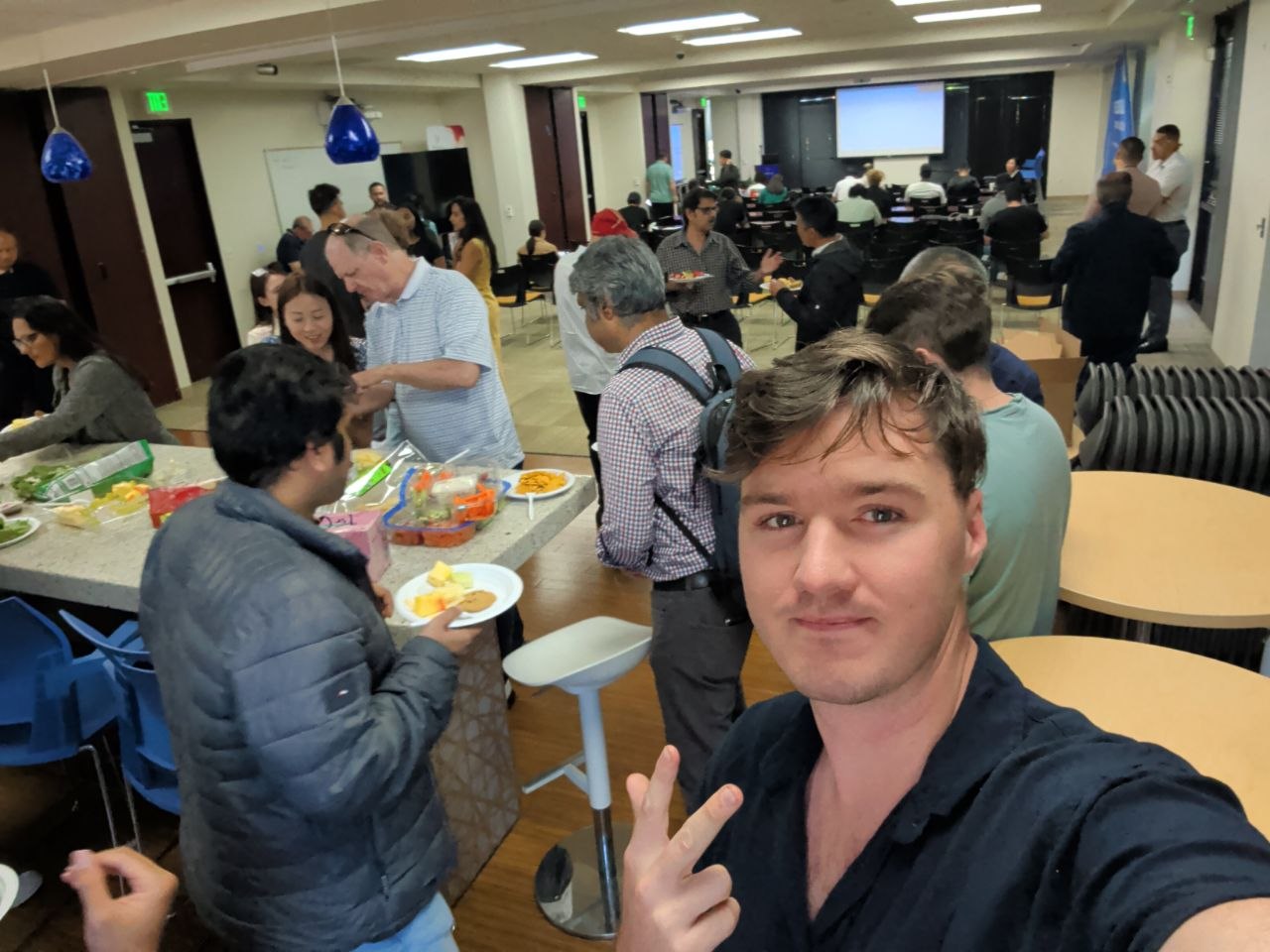
Pitch Night at JJ Lake: Founders, Moats, and a Full Room
A night of live startup pitches hosted at JJ Lake — founders at the podium, a panel taking questions, and the part that always matters most, the conversations over food afterward.
June 25, 2026·2 min read
EventsAIStanfordLearning
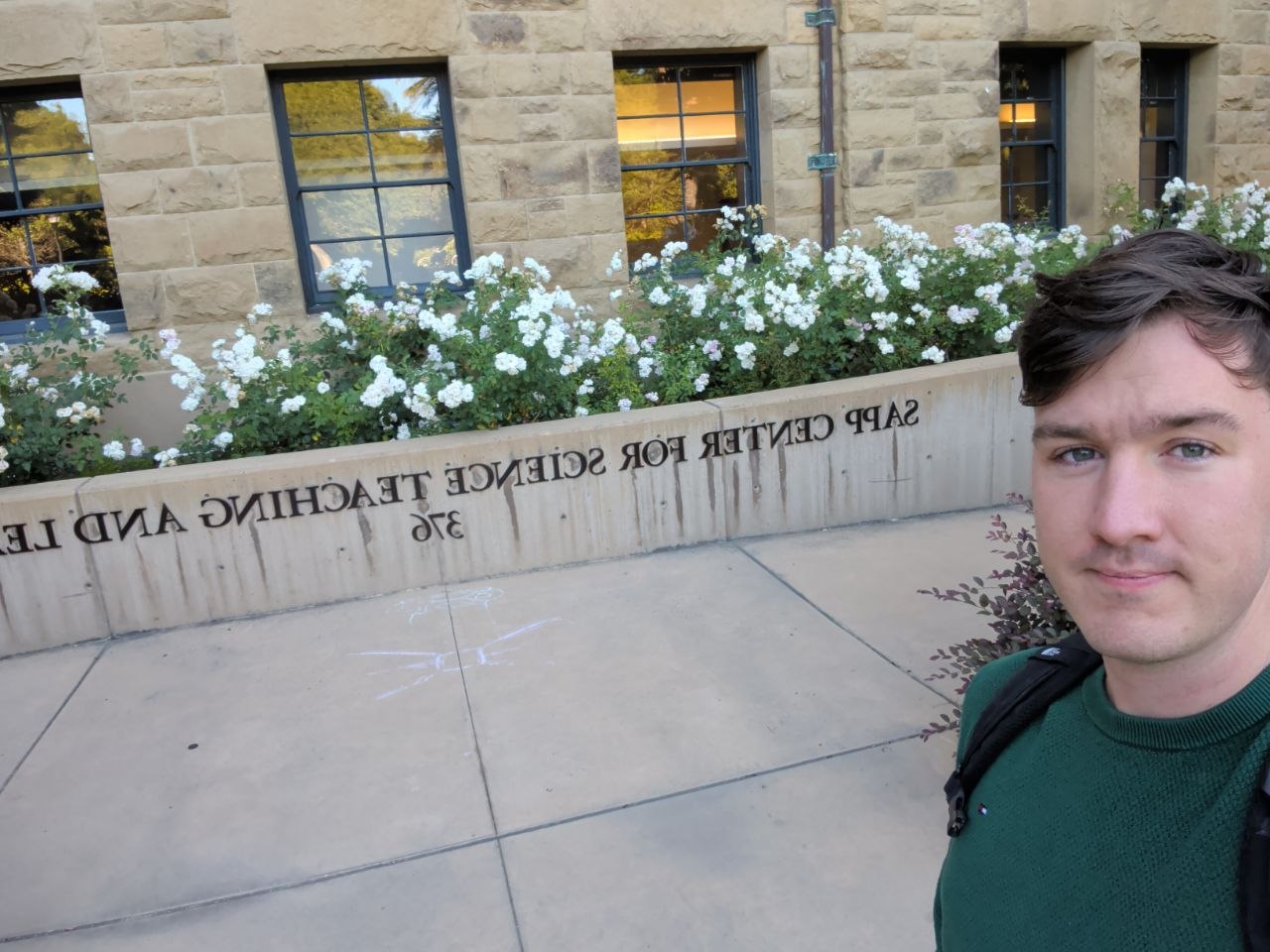
Demystifying AI at Stanford: Week 01 at the Sapp Center
Week 01 of Demystifying AI at Stanford's Sapp Center for Science Teaching and Learning — as a registered student in the course. The standout wasn't a model demo; it was the teaching method: read the headline, commit to a belief, then read the paper.
June 23, 2026·3 min read
EventsAISnowflakeCommunity
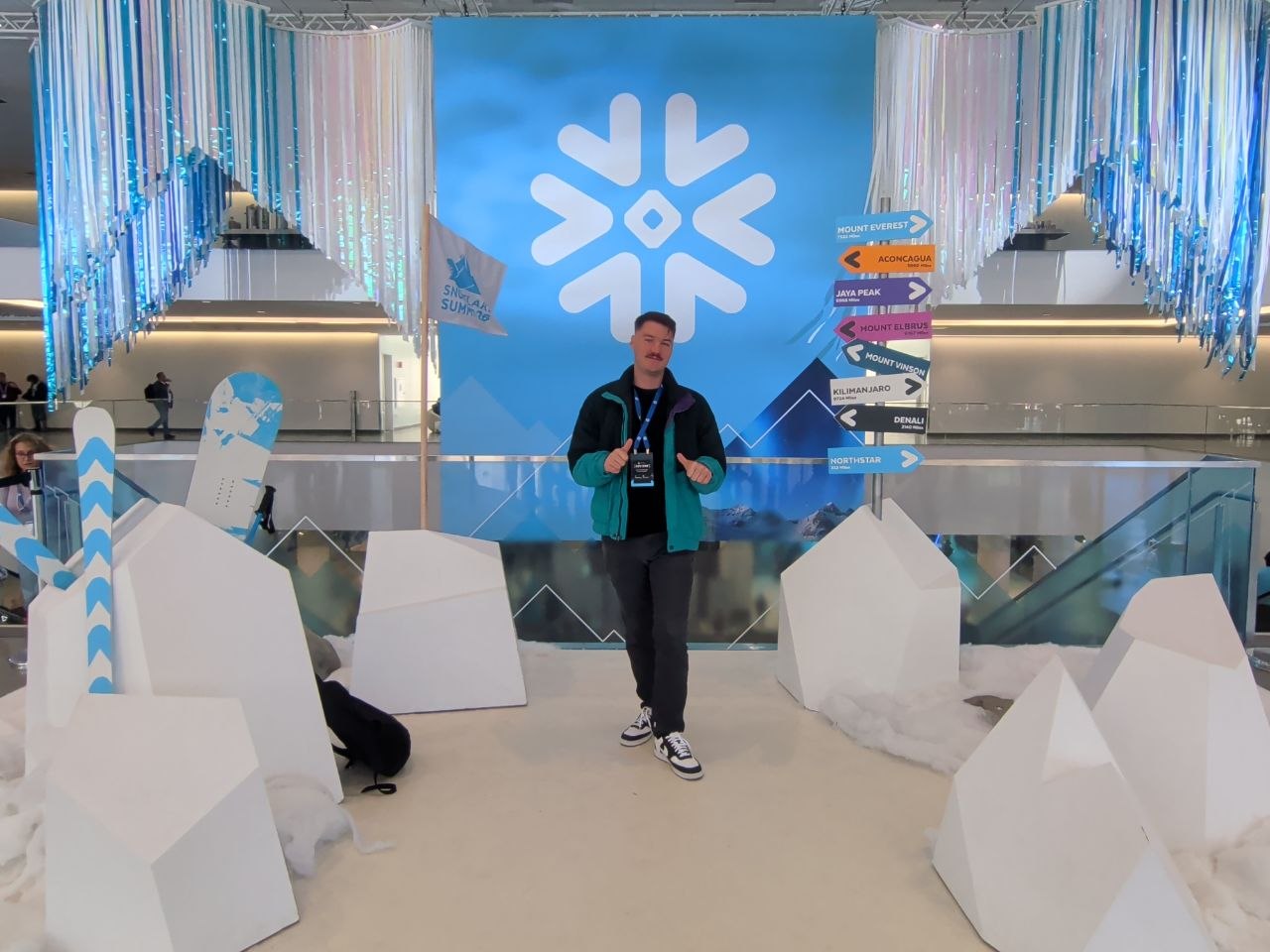
Snowflake Summit '26: Making AI Real, an MLH Run-In, and Vibecoding the Snowflake IDE
A productive day at Snowflake Summit '26 in San Francisco — the 'Making AI Real for Business' floor, a run-in with Mike Swift from MLH, and a look at their demo vibecoding inside the Snowflake IDE. Plus a 25-second walk-through.
June 5, 2026·2 min read
WorkshopCommunityGoogleClaude
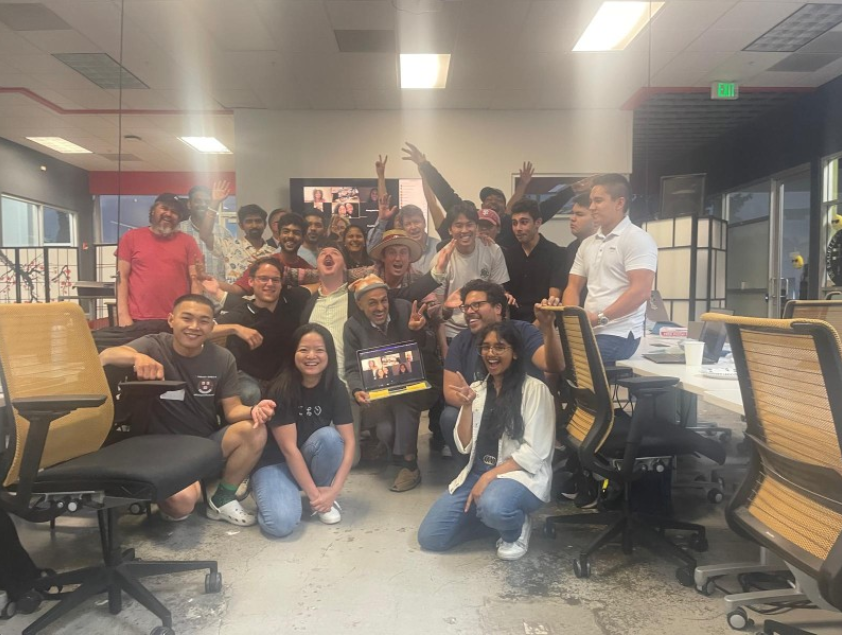
Workshop #5: Inside Google — Claude CLI, a 30-Second President Ranker, and Live Automation
Our biggest turnout yet, hosted in the Google space. We took people from a cold Claude CLI install to running it like a systems admin, got a non-technical attendee shipping in 30 seconds, and automated a co-founder's starscout platform live. Highlights reel included.
June 3, 2026·3 min read
MentorshipCommunityBerkeleyTeam
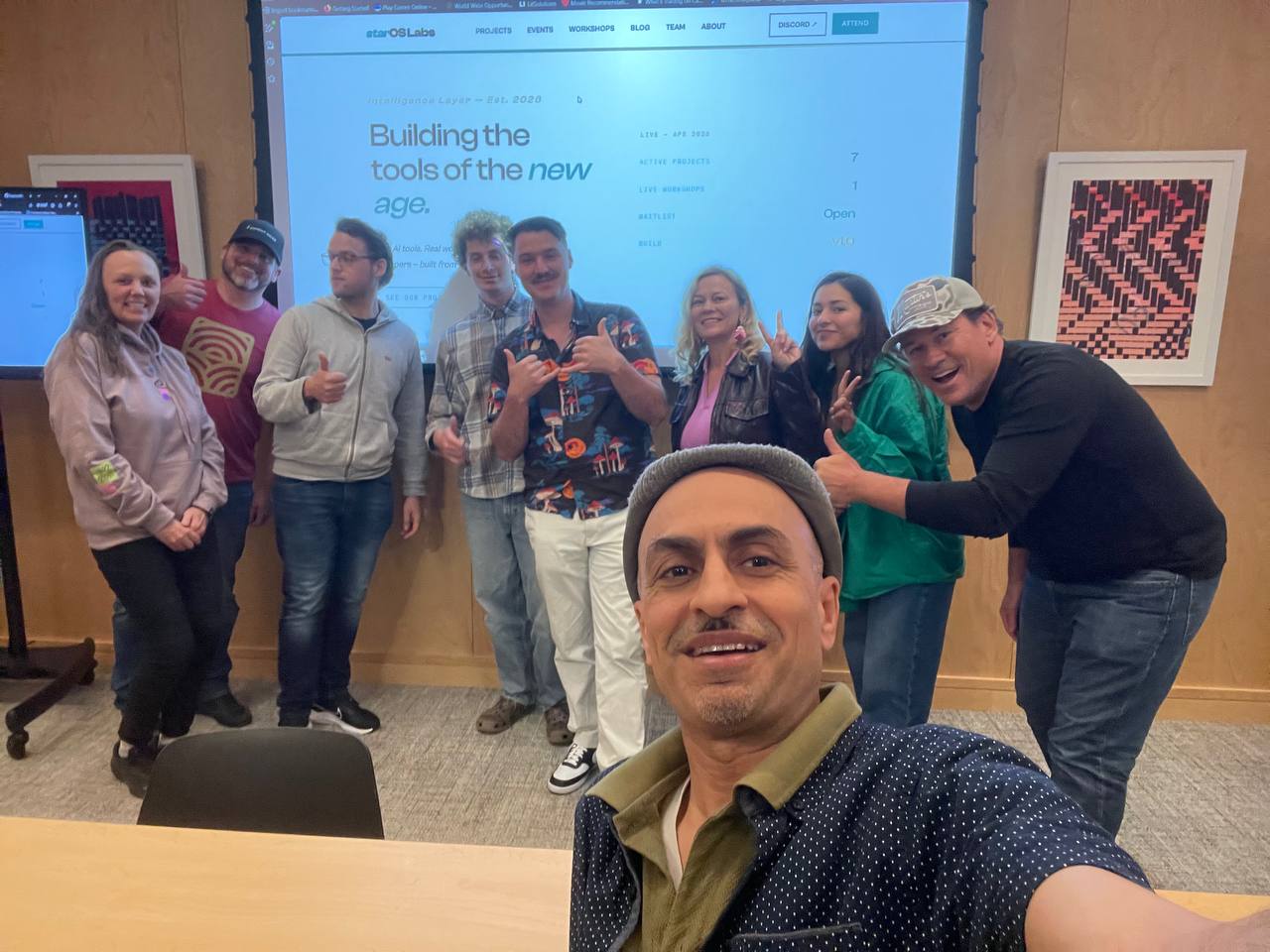
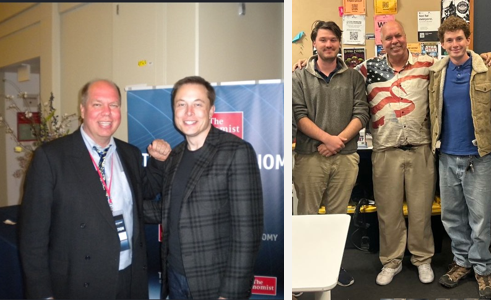
The Man Who Opened the Room: How Bernt Wahl Mentored starOS Labs
Bernt Wahl — mathematician, entrepreneur, and UC Berkeley Industry Fellow — has spent a career around the people who built the modern world. For the last stretch of ours, he's been opening doors, making introductions, and giving the kind of guidance that actually changes the trajectory of a team.
May 31, 2026·4 min read
EventsAIGoogle
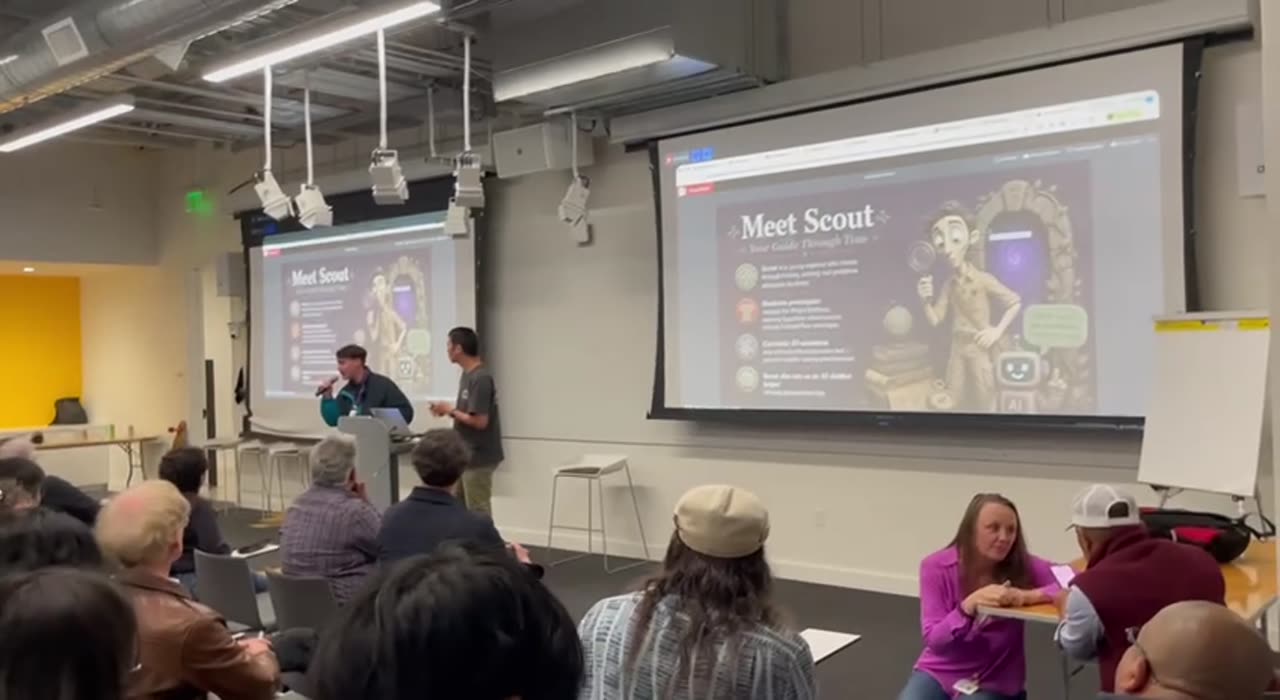
Gemini Meetup #3: Back in the Room at Google
Our third time at the bi-weekly Gemini developer meetup. Live demos, a packed room, and a short clip from the floor.
May 29, 2026·2 min read
WorkshopCommunityEvents
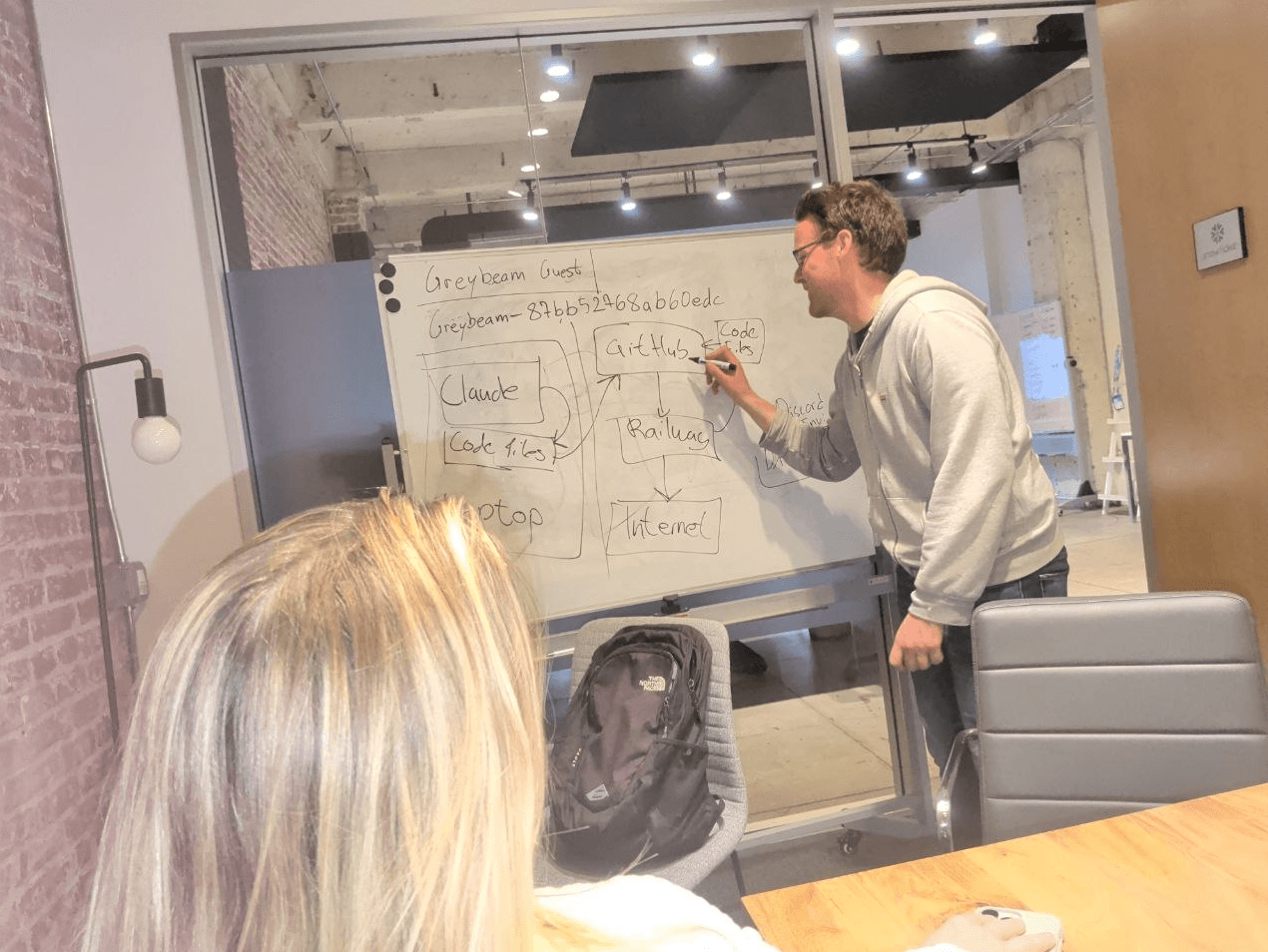
Workshop #4: UX Pros, Post-it Ambitions, and Same-Day Deploys at Graybeam
Workshop #4 brought UX and UI professionals into the room to vibecode their own projects — from job interview portfolios to tennis court scrapers. Three hours in Downtown SF, hosted by Graybeam. Everyone shipped.
May 29, 2026·3 min read
WorkshopCommunityEvents
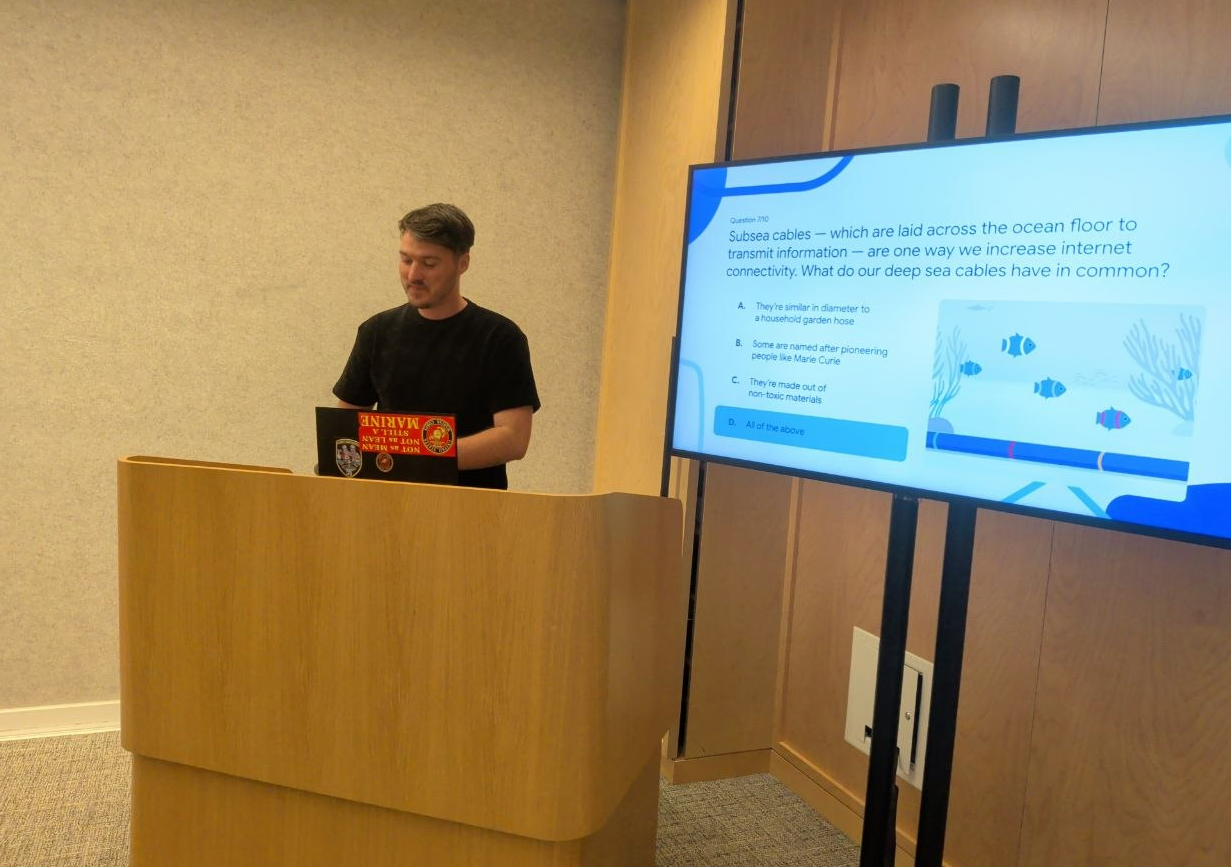
Workshop #3: Live Podcast, a GRM Build, and a Cryptography Deep Cut
Workshop #3 brought a live podcast recording, a GRM build for one of our members, and a guest appearance from ENI6MA inventor Frank Dylan Rosario. Another solid session.
May 20, 2026·3 min read
CommunityWorkshopEventsTeam
Lab #2: North Beach, Giovanni's, and a 20-Year Debian Developer
We set up shop at Giovanni's Cigar Shop in North Beach, went deep on image, and got a surprise visit from a Debian developer with 20+ years of experience. Lab #2 delivered.
May 9, 2026·4 min read
StoryTeamAICommunity
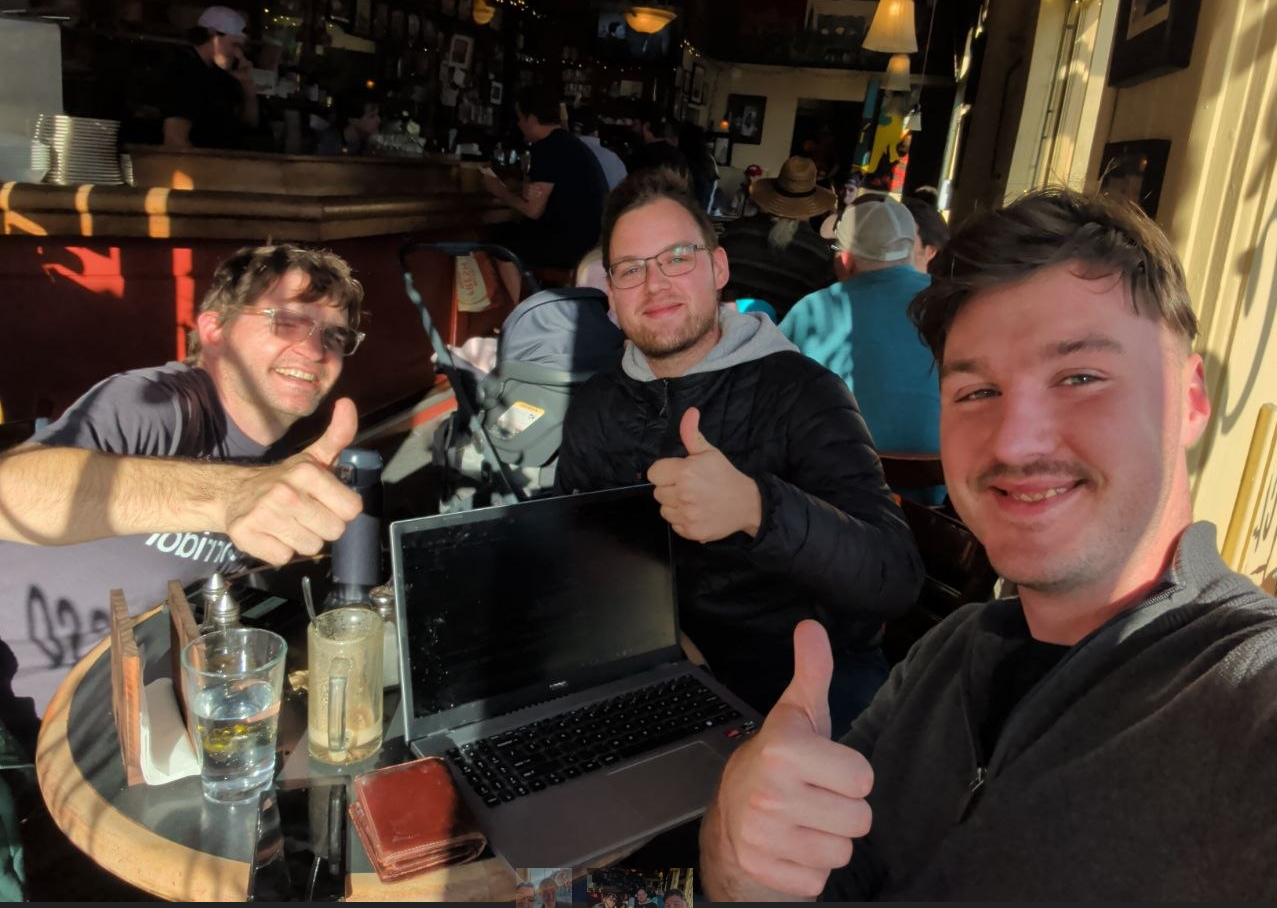
How a Hackathon Win Changed Everything — and Why We Pivoted
We walked into PAI Palooza 2025 as a VeteranAI startup. We walked out as something else entirely. This is the story of what happened and why we don't look back.
May 5, 2026·6 min read
EventsAIGoogle
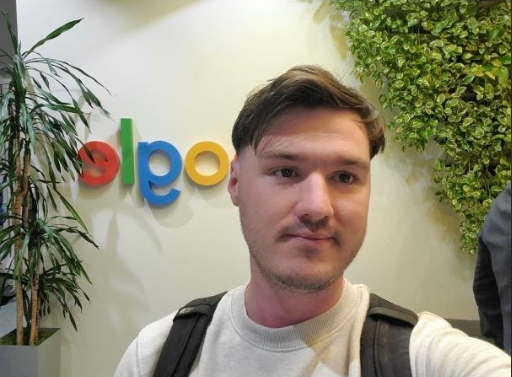
Inside the Gemini Meetup at Google: What the Engineers Are Actually Building
starOS Labs sent four team members to the bi-weekly Gemini developer meetup hosted by Google DeepMind's Peter Danenberg. Here's what we heard, what we saw, and why it matters.
May 3, 2026·6 min read
EventsPaymentsAI
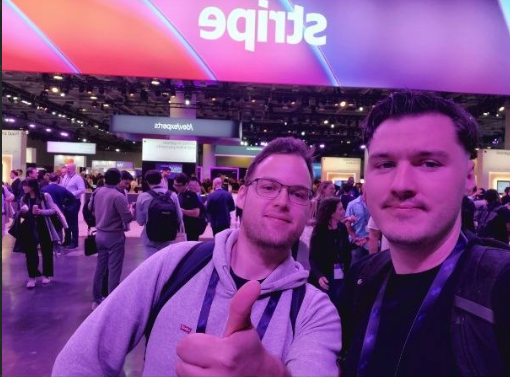
What We Learned at Stripe Sessions: Payments, Anthropic, and the Infrastructure of AI
starOS Labs attended Stripe Sessions in San Francisco — two days of keynotes, Anthropic's revenue playbook, product launches, and real conversations on the expo floor.
May 3, 2026·7 min read
ClaudeToolsAIInfrastructure
Claude Backslash, the New Academic Standard
Why Claude Code's slash-command interface — and the Python services built around it — is the most powerful, portable AI workflow available today.
May 5, 2026·8 min read

MobileInfrastructureLinuxTools
Rooting the Workflow: Pixel 10, Custom OS, and Mobile Dev with Termux
What happens when you swap the stock OS on a Pixel 10, get root, install Termux, and realize you're carrying a full Linux development environment in your pocket.
May 5, 2026·7 min read
AI BasicsLLMs
What is a Large Language Model, Actually?
The honest, non-hype explanation of how LLMs work — tokens, context, prediction, and why they hallucinate.
Apr 20, 2026·6 min read

PromptingBeginner
Prompt Engineering 101: Stop Asking AI Like It's Google
How to write prompts that actually work. Zero-shot vs few-shot, system prompts, and the single most important thing you can do differently.
Apr 14, 2026·8 min read

ProjectsPythonTrading
How We Built Quicksand: An AI Trading Bot from Scratch
The full story — picking a framework, writing strategies, paper trading, and deploying on Railway. What worked, what blew up.
Apr 8, 2026·12 min read

ToolsOpinion
The AI Tools Worth Using in 2026
Our honest, opinionated breakdown of the AI tools that actually save time vs the ones that just look impressive in demos.
Apr 1, 2026·7 min read
InfrastructureNetworking
Building a Multi-Machine AI Lab with Tailscale
How we set up a secure mesh network between our machines so Claude Code can orchestrate across all of them. Step-by-step.
Mar 25, 2026·10 min read