We went as a team. Two days. Hundreds of founders, operators, and builders packed into Moscone West in San Francisco for Stripe Sessions — and we came back with more clarity than we expected.
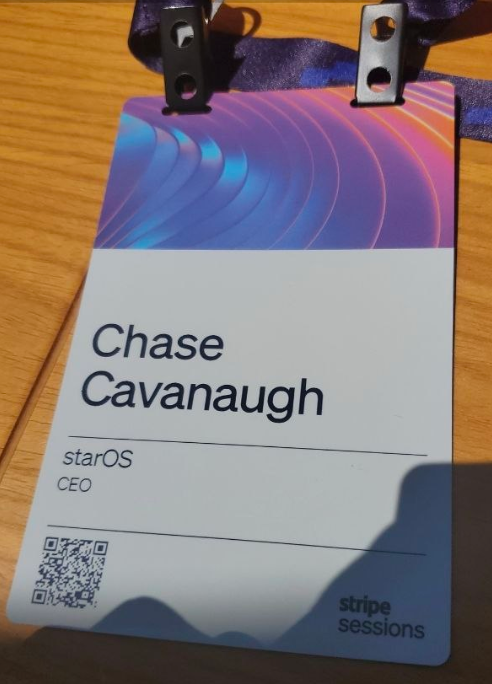
This wasn't a hype conference. The energy in that room was different — less theater, more pattern recognition. Everyone there was running something real.
The Room
The main stage opened with a clear thesis: companies treating payments infrastructure as a growth lever — not a cost center — are outperforming those that don't. The data backed it up: companies using Stripe's global infrastructure see 17.8% higher cross-border revenue and 7.4% better conversion rates. Not projections. Measured outcomes.
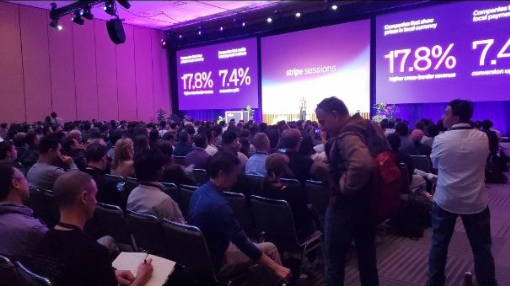
The message was consistent across sessions: how you build your payments stack is a product decision, not just an ops one. That framing shifted how we're thinking about our own infrastructure.
The Anthropic Talk
The panel that hit hardest: All systems grow — Unifying product, pricing, payments, and distribution, featuring Kate Jensen, Head of Revenue at Anthropic, alongside Stripe's Chief Revenue Officer Eileen O'Mara.
The core argument: the fastest-growing AI companies don't bolt on revenue architecture after the fact. They build pricing, metering, and global access as a core product decision from the start. Anthropic was presented as a case study in how to scale billing infrastructure in step with product growth — not scrambling to retrofit it later.
For a team at our stage, this landed. Every infrastructure decision we make now compounds. Hearing how Anthropic approached revenue architecture — not as a finance problem but as a product problem — was the clearest strategic signal of the two days.
What Stripe Launched
The product announcements were substantial:
- Managed Payments — Stripe as merchant of record: global tax compliance, fraud, and dispute handling taken off your plate
- 125+ payment methods — stablecoins, Pix, UPI, and more, all in one integration
- Stablecoin balances — hold and settle in USDC natively through Stripe
- AI-optimized checkout — 100+ real-time signals used to personalize checkout per user
The stablecoin move was the most-discussed announcement in the hallways afterward. Stripe treating USDC as a settlement layer — not a novelty — changes the calculus for global payouts in a meaningful way.
The Expo Floor
The real value of a conference like this is between the sessions. We spent time at the Supabase booth — a natural conversation given our stack — and had substantive exchanges with teams building in adjacent spaces.

Going as a team made the difference. Two sets of eyes on talks. Twice the conversations. The synthesis you get back at the hotel afterward, comparing notes, is worth as much as the sessions themselves.

What We're Taking Back
- 1.Payments is product — Revenue architecture decisions made early are hard to undo at scale. Get it right before you need to.
- 2.Global from day one — The 17.8% cross-border uplift is real and measurable. Don't treat international as a phase two problem.
- 3.AI and payments are converging fast — Agentic commerce is coming. The infrastructure you choose now determines how ready you are for it.
- 4.Stablecoins are infrastructure now — Stripe treating USDC as a settlement layer is a signal, not a feature announcement.
Two days well spent. Stripe Sessions reminded us that the boring, unglamorous decisions — how you handle money, how you structure pricing, how you reach users globally — are often the ones that determine which companies survive the next phase.
We'll be back next year.